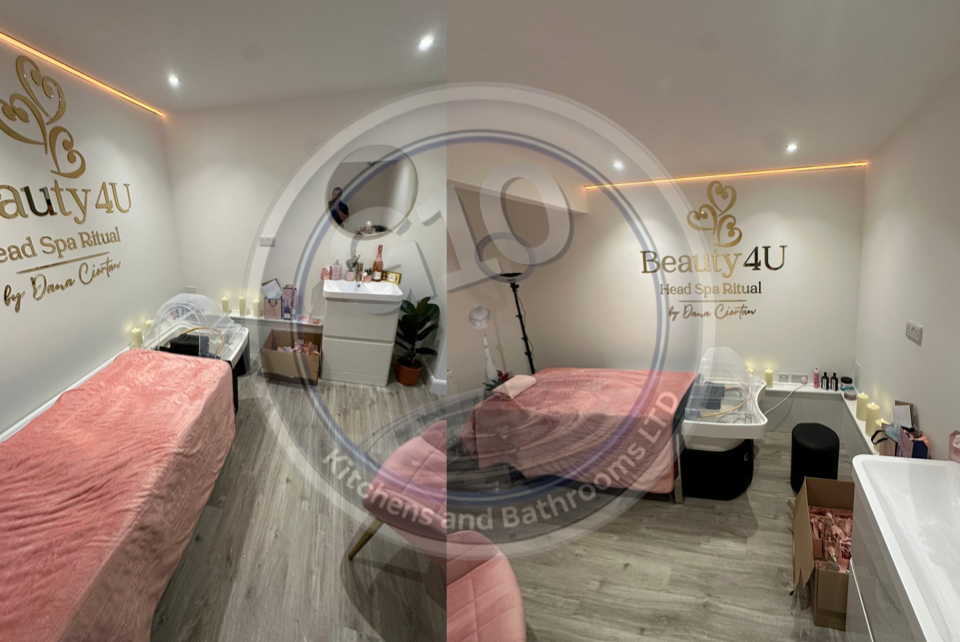
Do You Need Planning Permission?
In most cases, garage conversions fall under permitted development, meaning planning permission is not required—provided the structure isn’t significantly altered. However, permission may be needed if:
* The property is a new build, listed building, or in a conservation area
* The garage conversion affects the external appearance
* There are restrictions requiring the garage to remain for parking
Even when planning permission isn’t required, Building Regulations approval is always required when converting a garage into a habitable space.
⸻
Building Regulations for Garage Conversions:
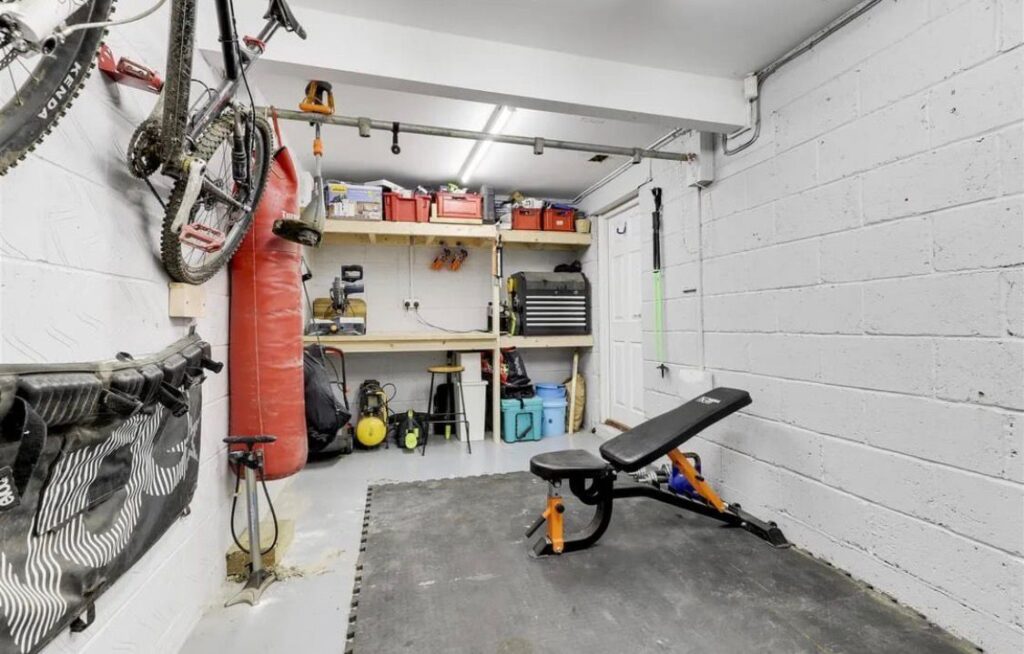
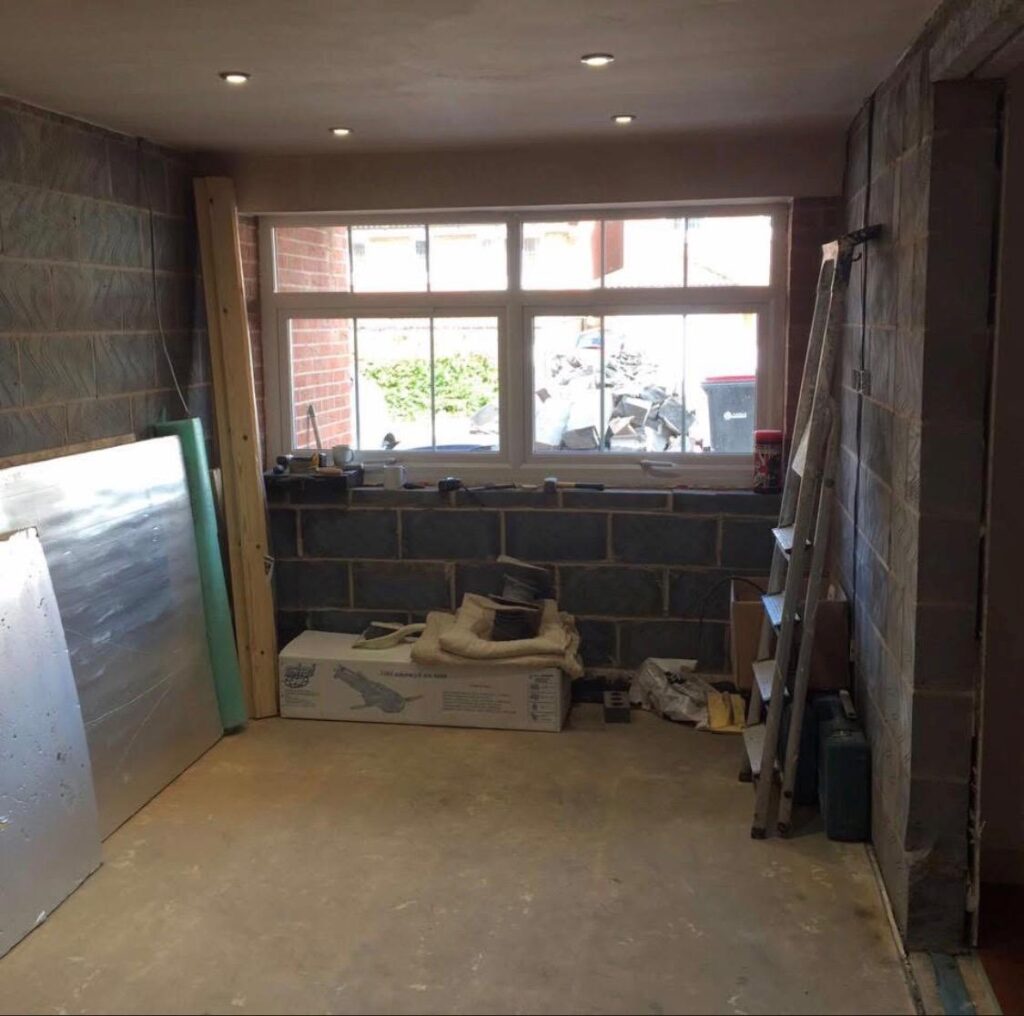
Garage conversions are classed as a change of use, meaning the space must meet strict standards for safety, energy efficiency, and structural integrity.
At G10, we ensure full compliance with all relevant regulations, including:
1. Structural Integrity
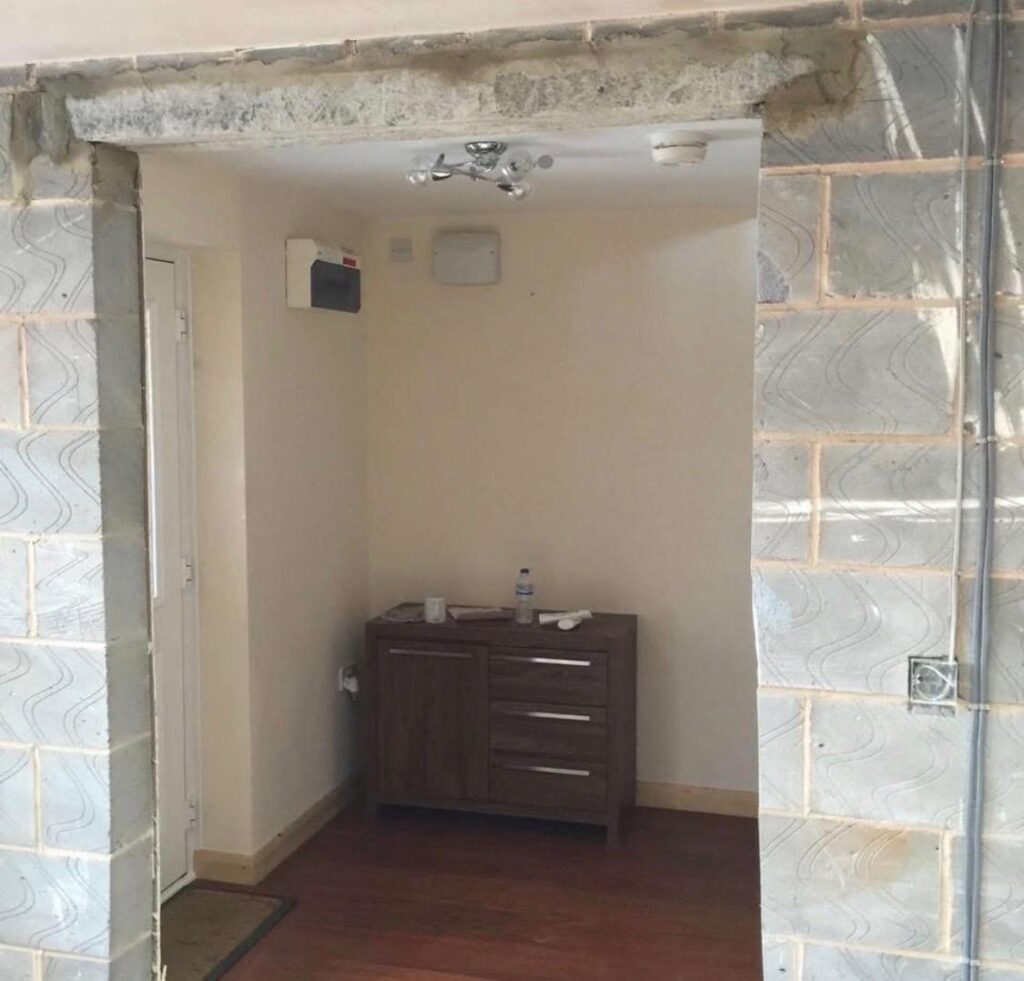
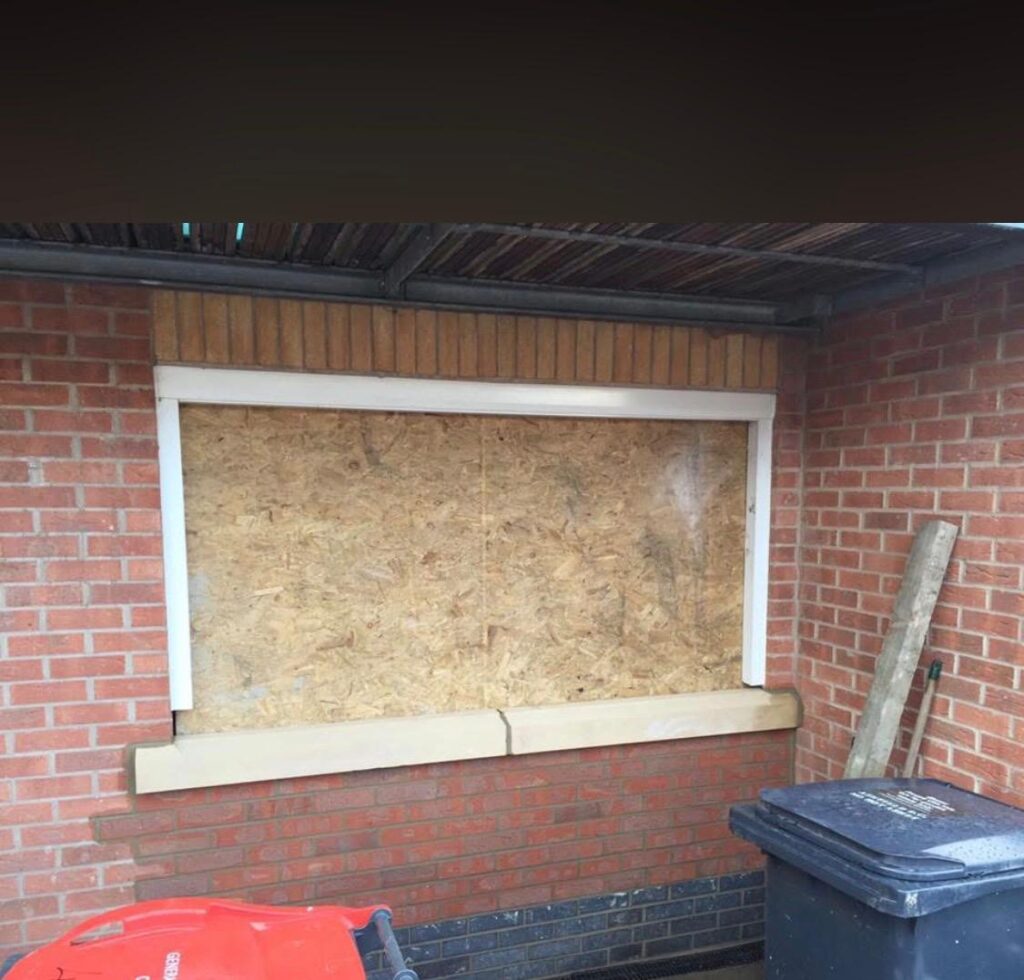
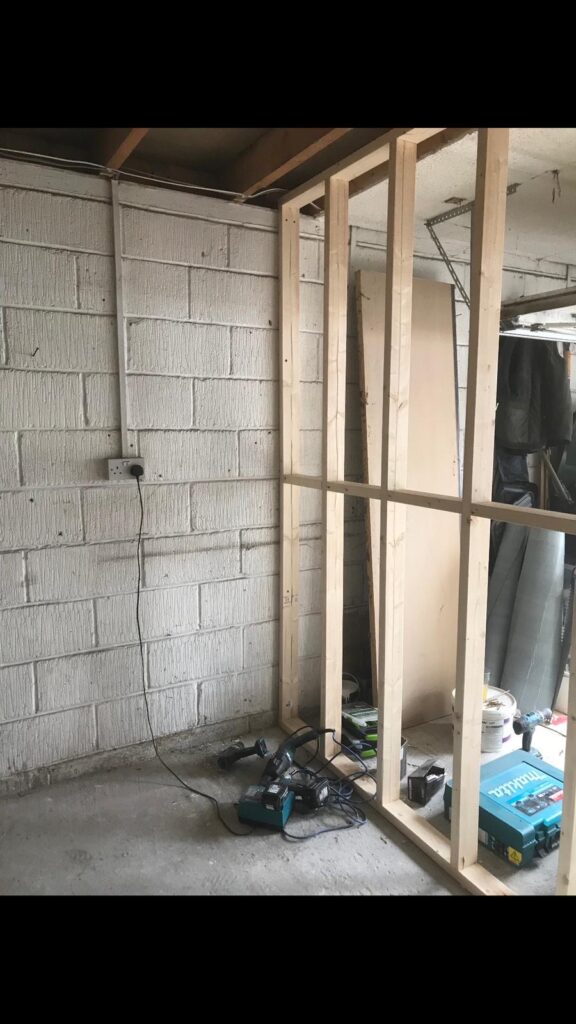
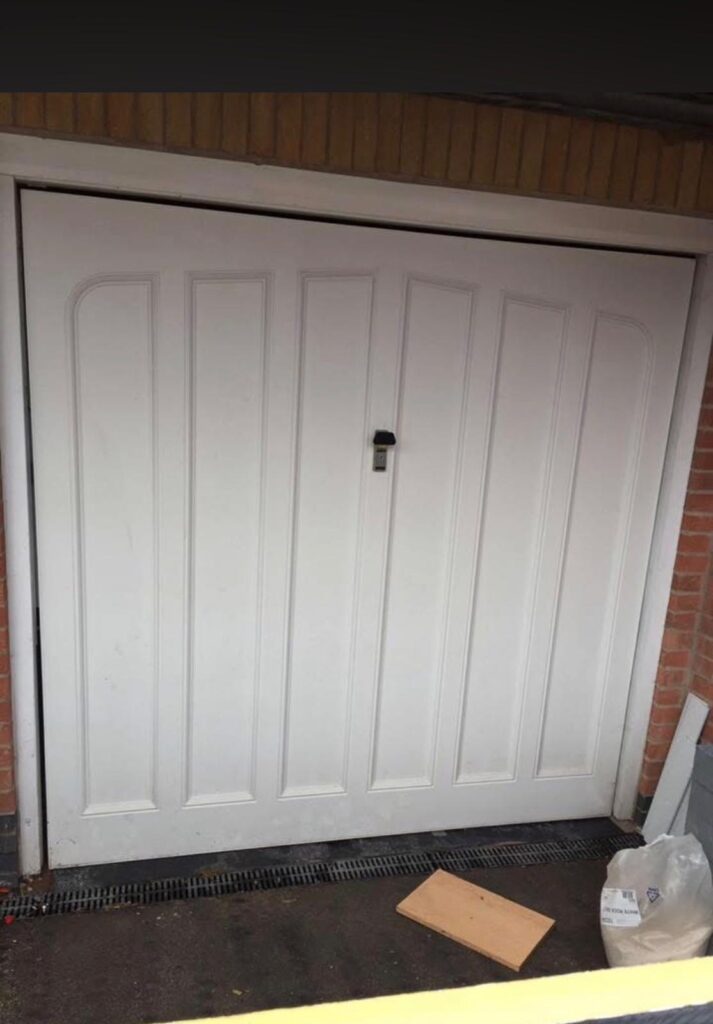
The existing garage must be structurally sound. Any changes such as removing walls, installing new openings, or replacing the garage door require proper support (e.g. lintels or steel beams) and may need structural engineer approval .
2. Foundations
Garage foundations are often too shallow for habitable use. Upgrades or reinforcement may be required, especially where new walls or loads are introduced.
3. Insulation & Energy Efficiency
Garages are not built to residential standards, so:
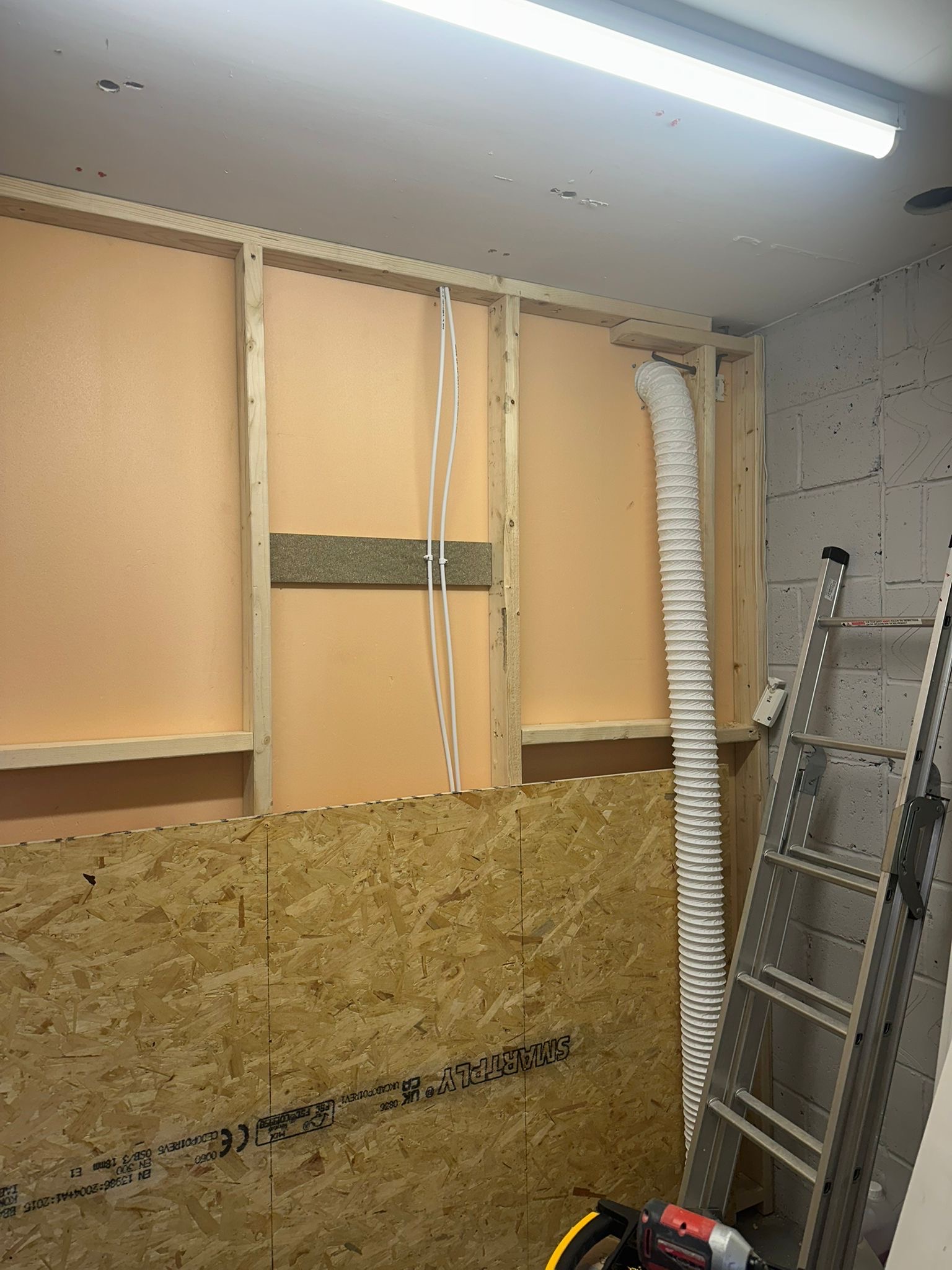
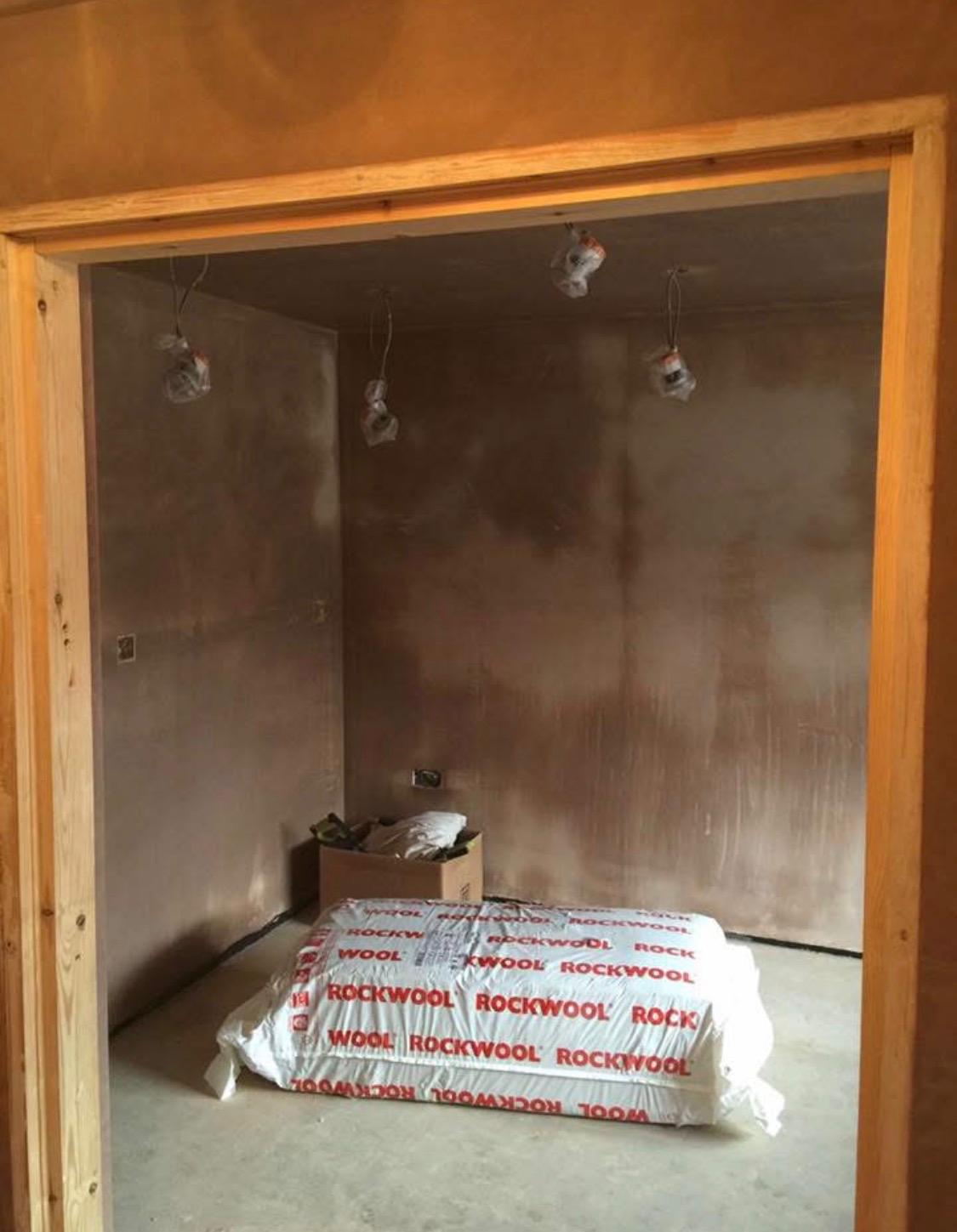
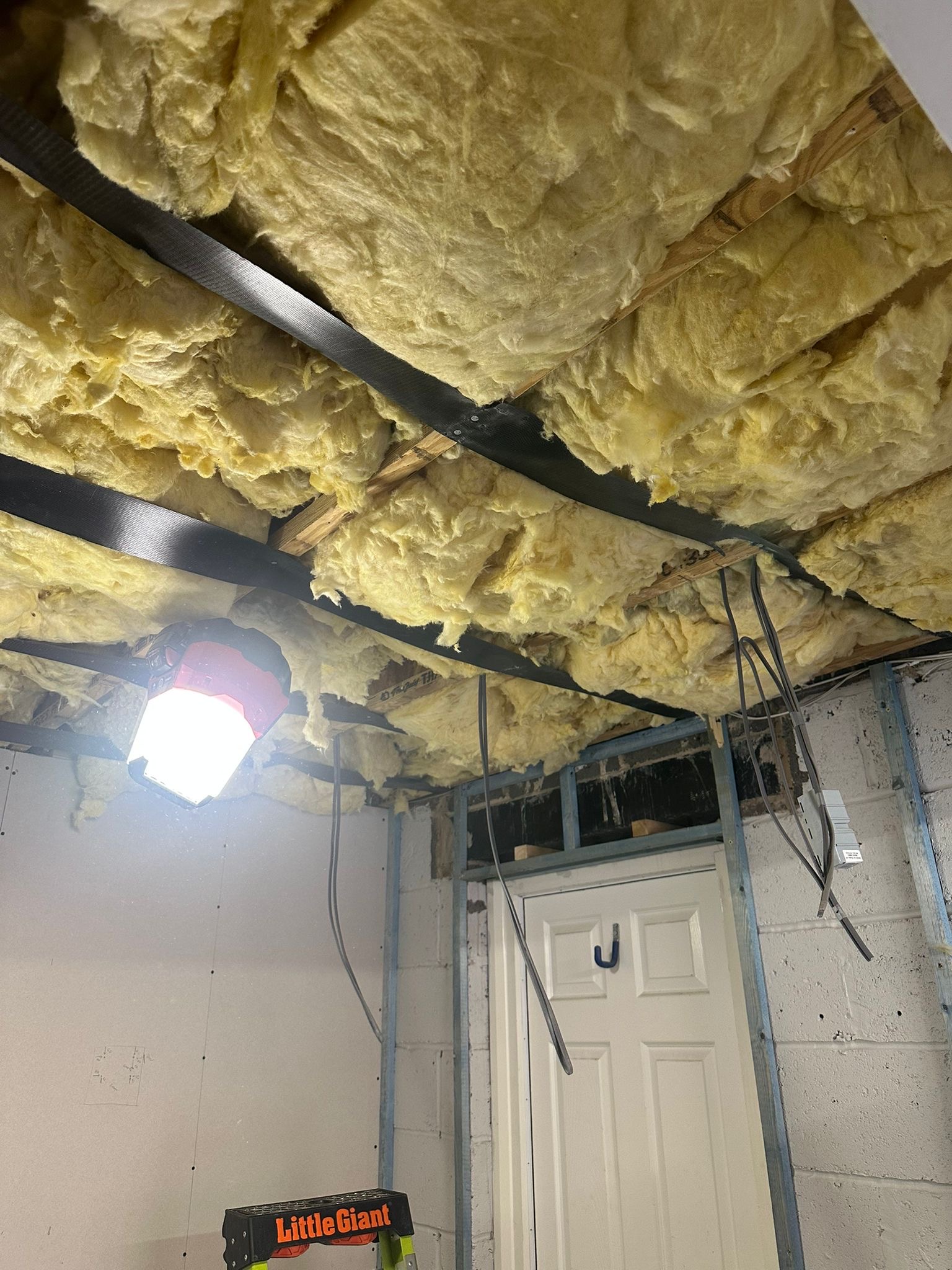
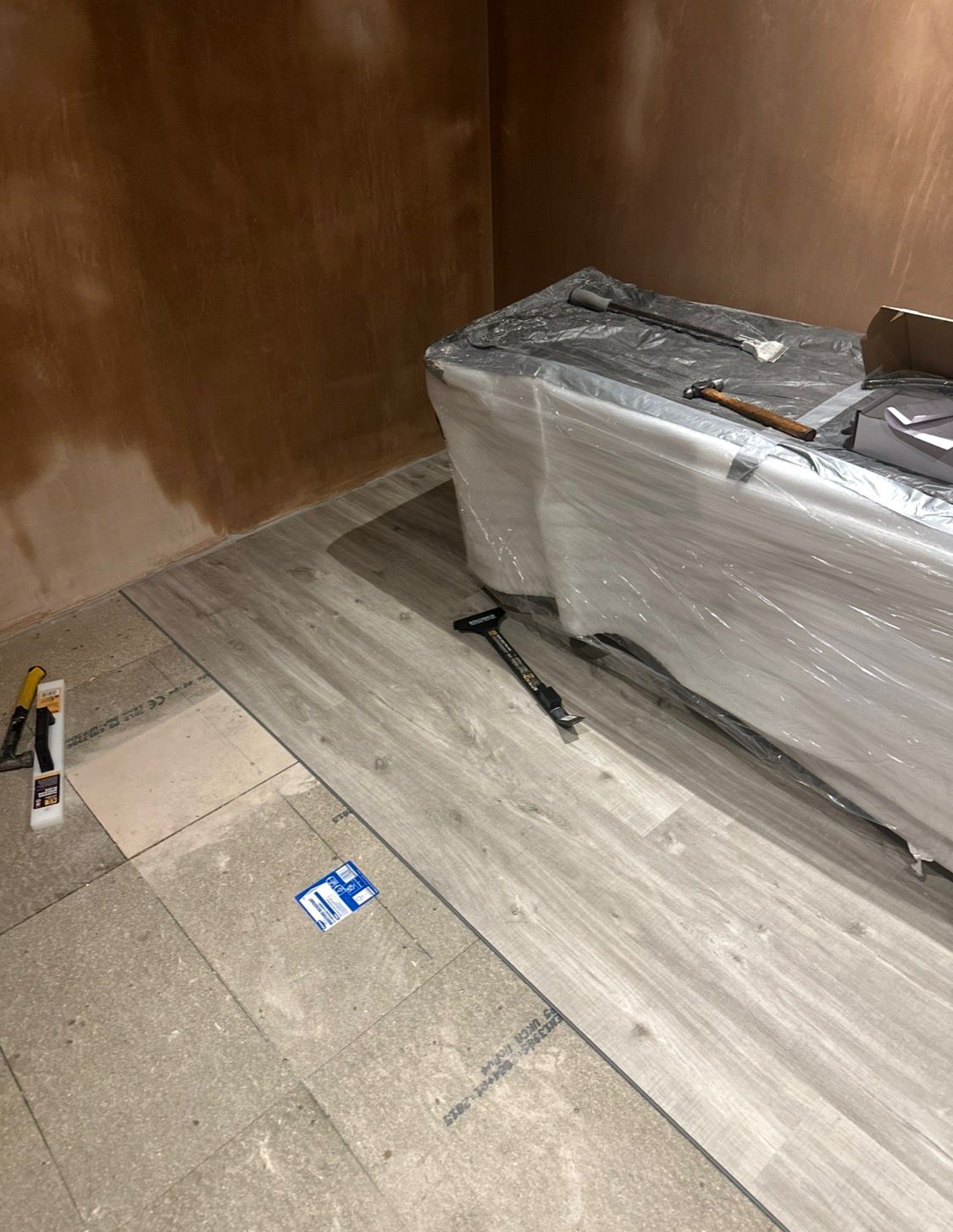
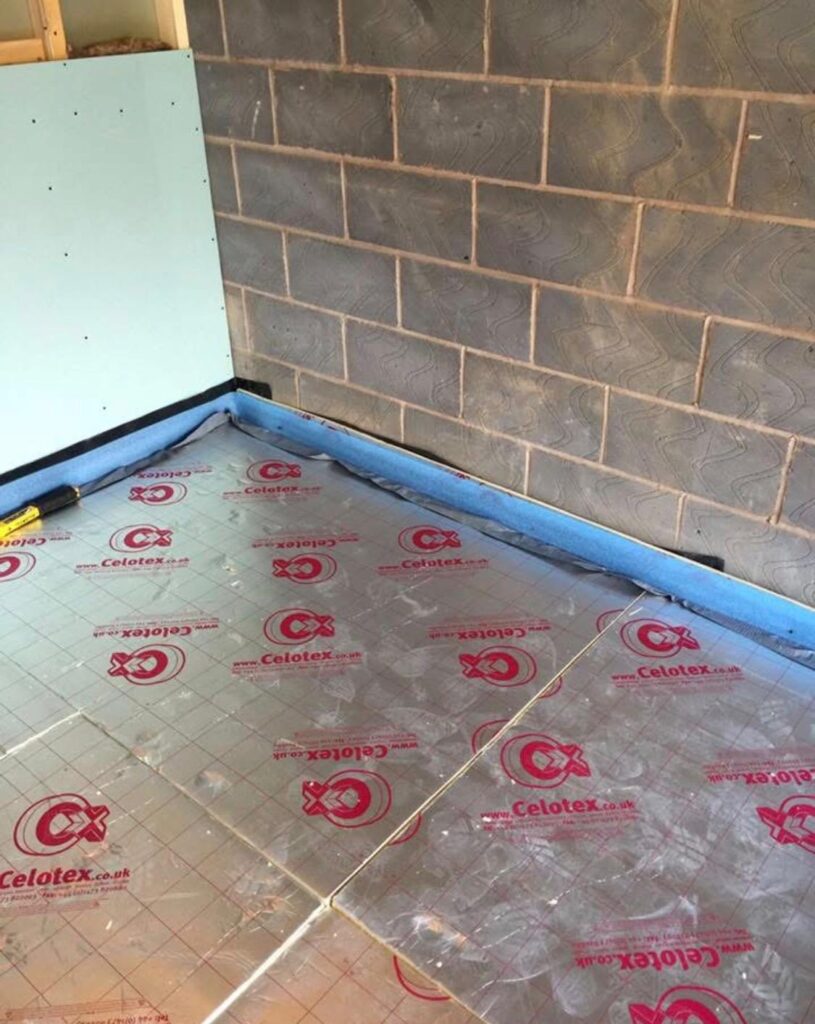
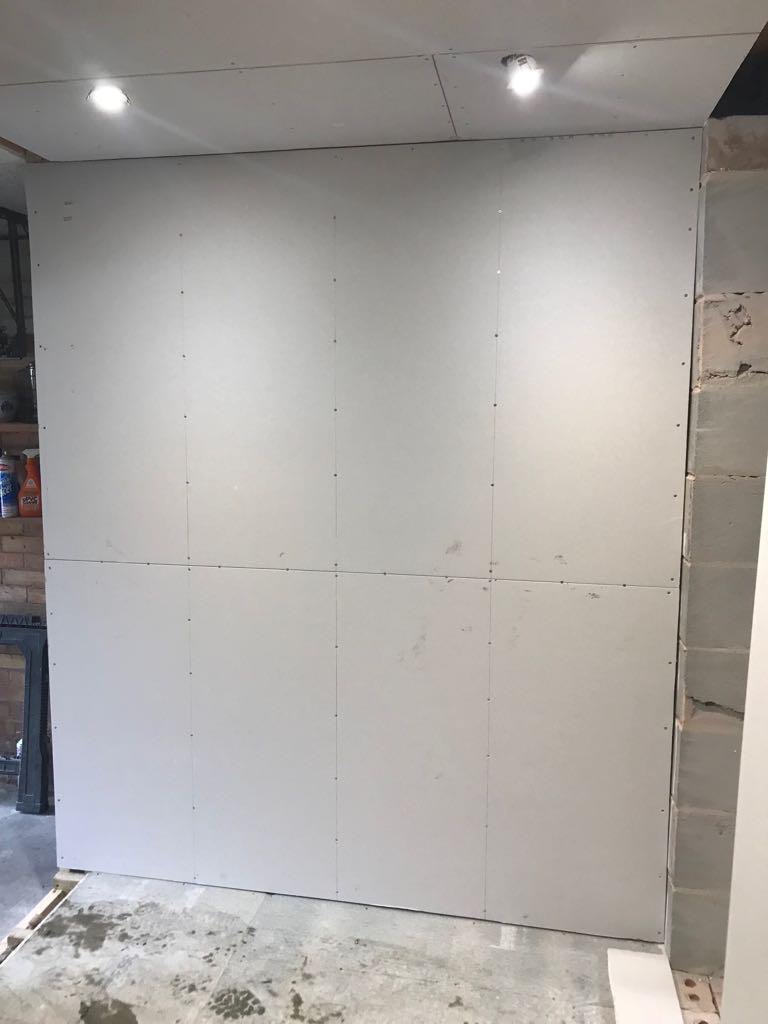
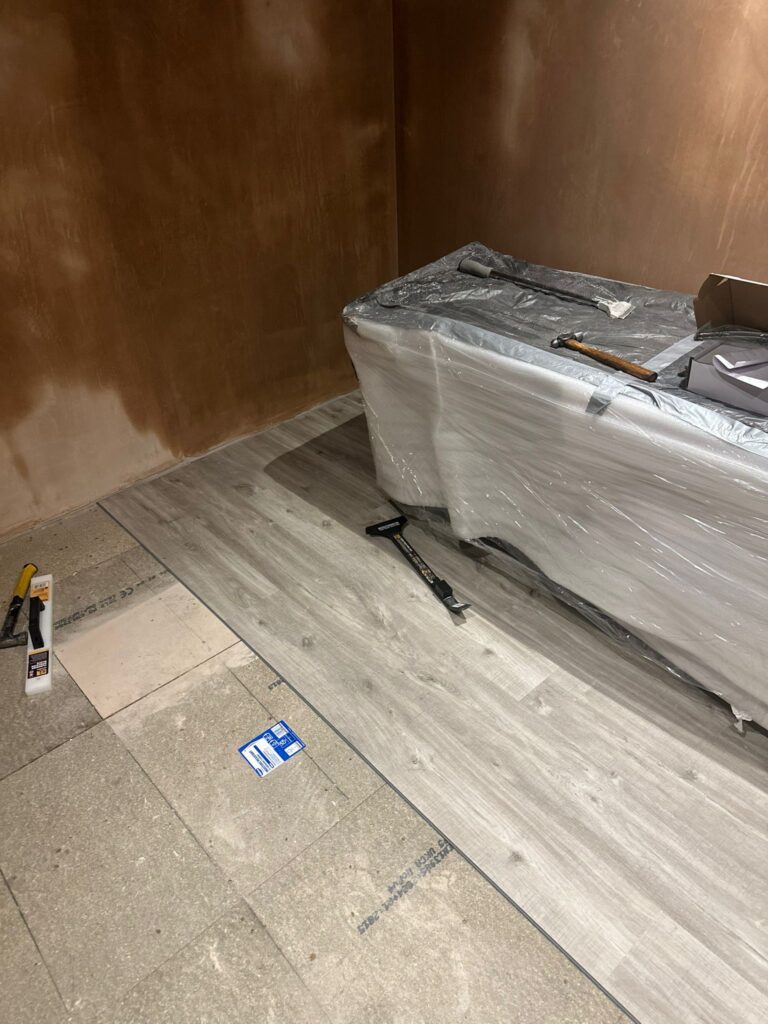
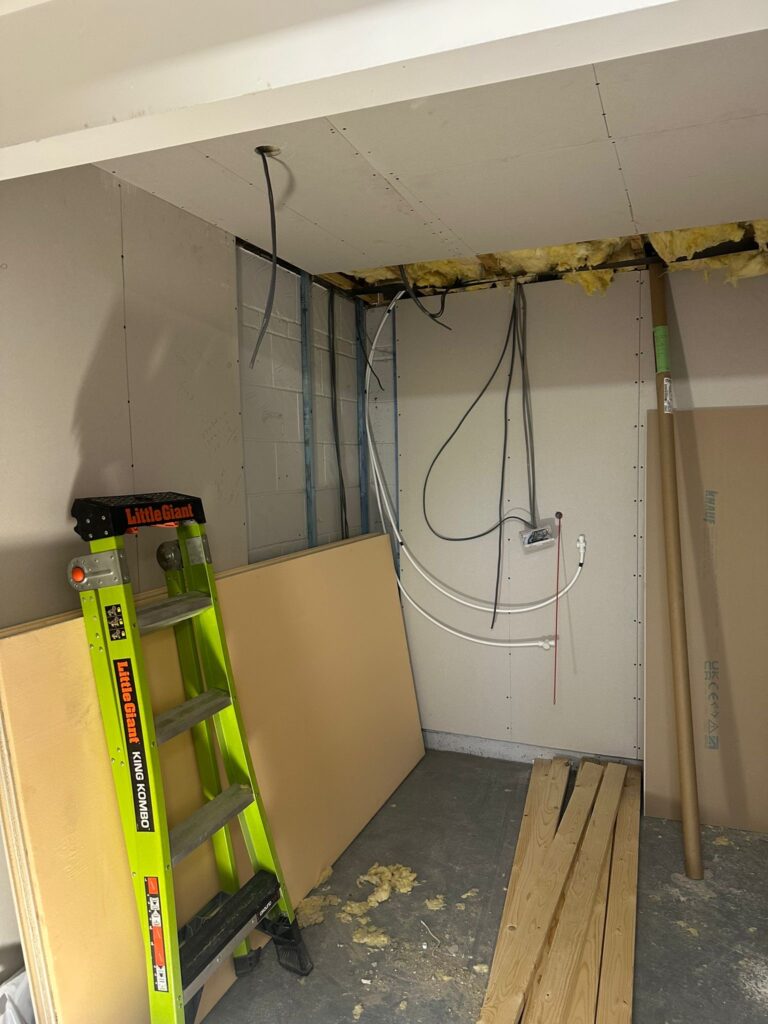
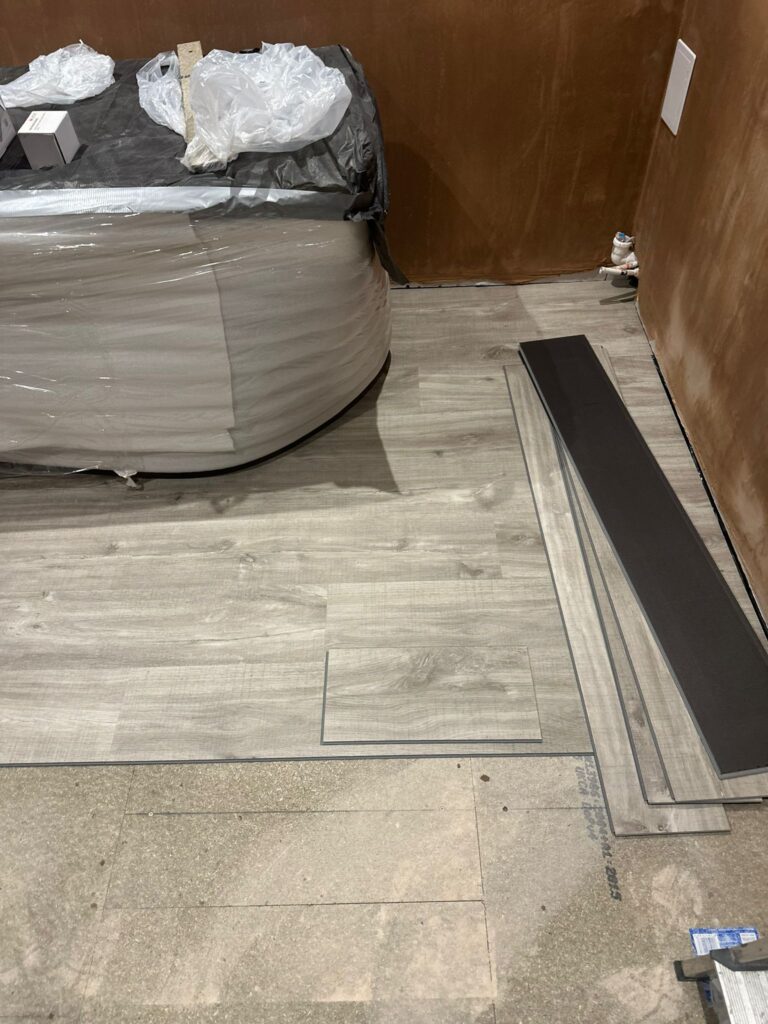
* Walls, floors, and ceilings must be insulated
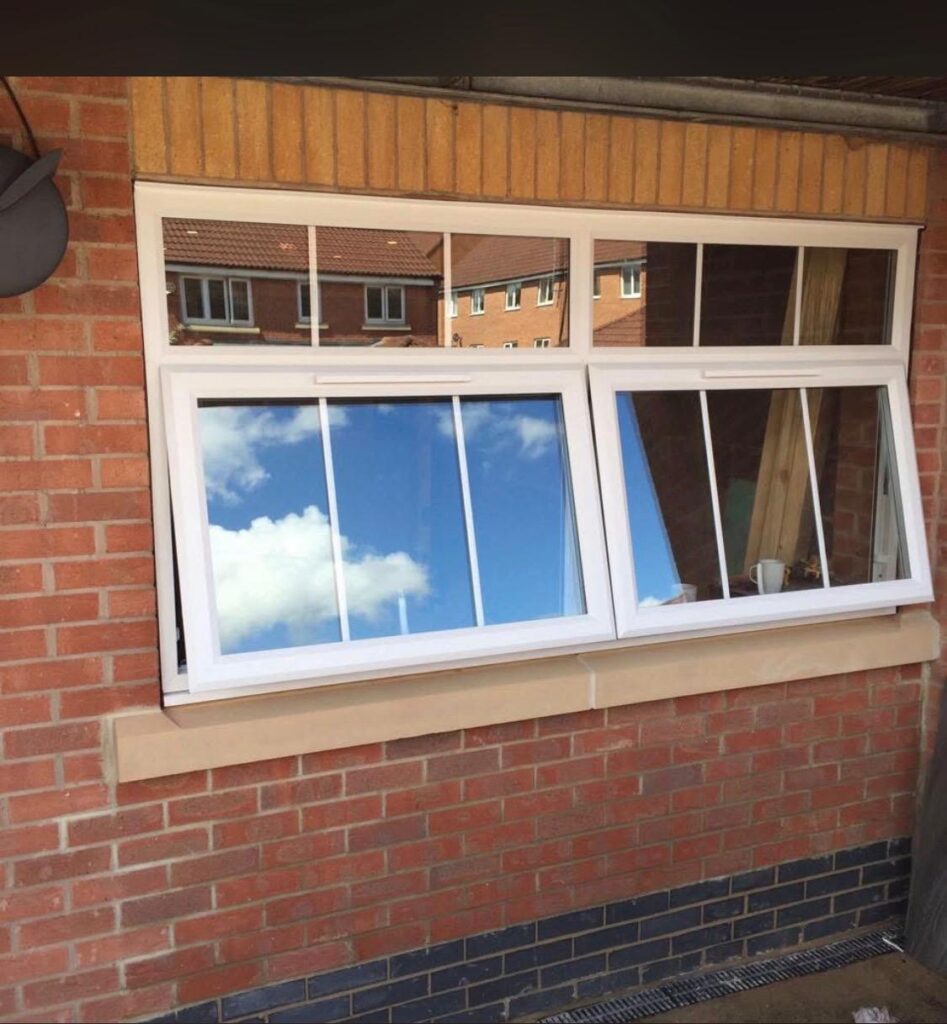
* Windows and doors must meet thermal efficiency requirements
This ensures compliance with energy performance standards and creates a comfortable living space .
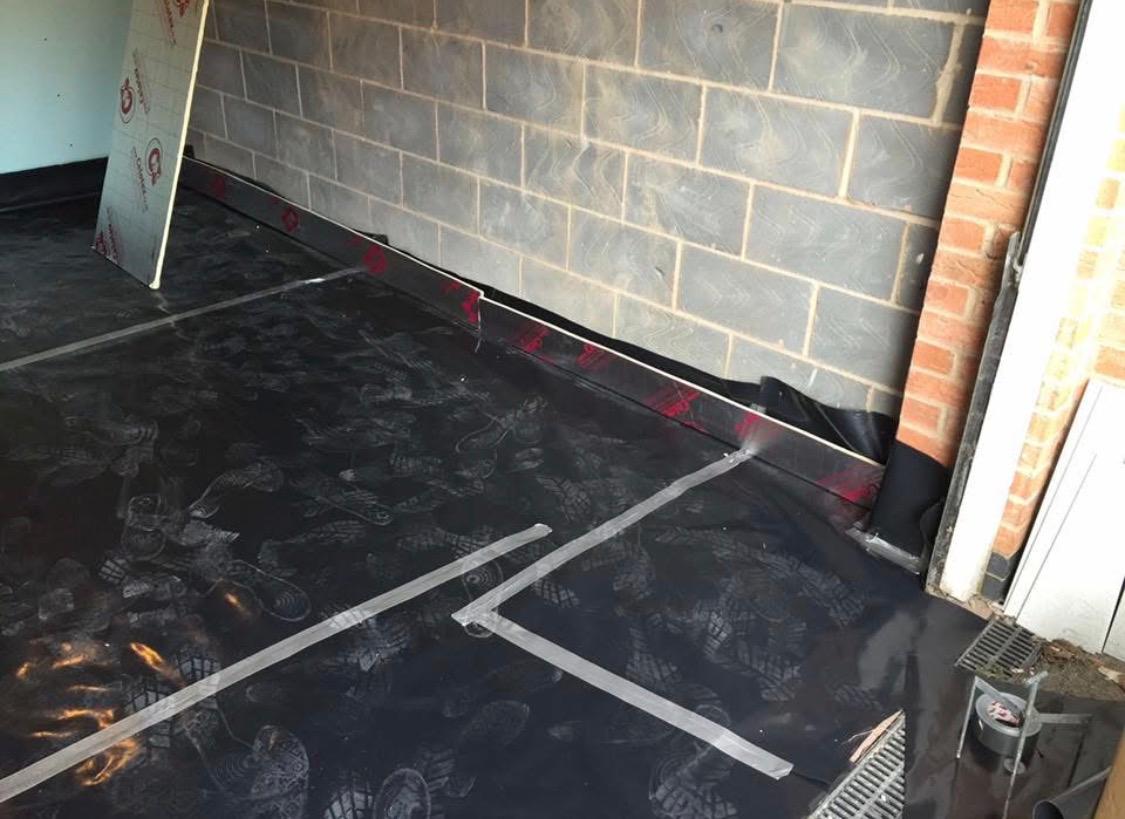
4. Damp Proofing
A damp-proof course and membrane must be installed to prevent moisture issues, as many garage floors are untreated concrete slabs.
5. Ventilation
Adequate ventilation is essential for health and moisture control. This typically includes:
* Opening windows.
* Trickle vents.
* Background ventilation systems.
6. Fire Safety
Fire resistance and safe escape routes must be provided. This may include:
* Fire-rated doors
* Mains-linked smoke alarms
* Escape windows
7. Electrics & Plumbing
All electrical work must be tested and certified, and any plumbing installations (e.g. bathrooms or utility rooms) must comply with current regulations.
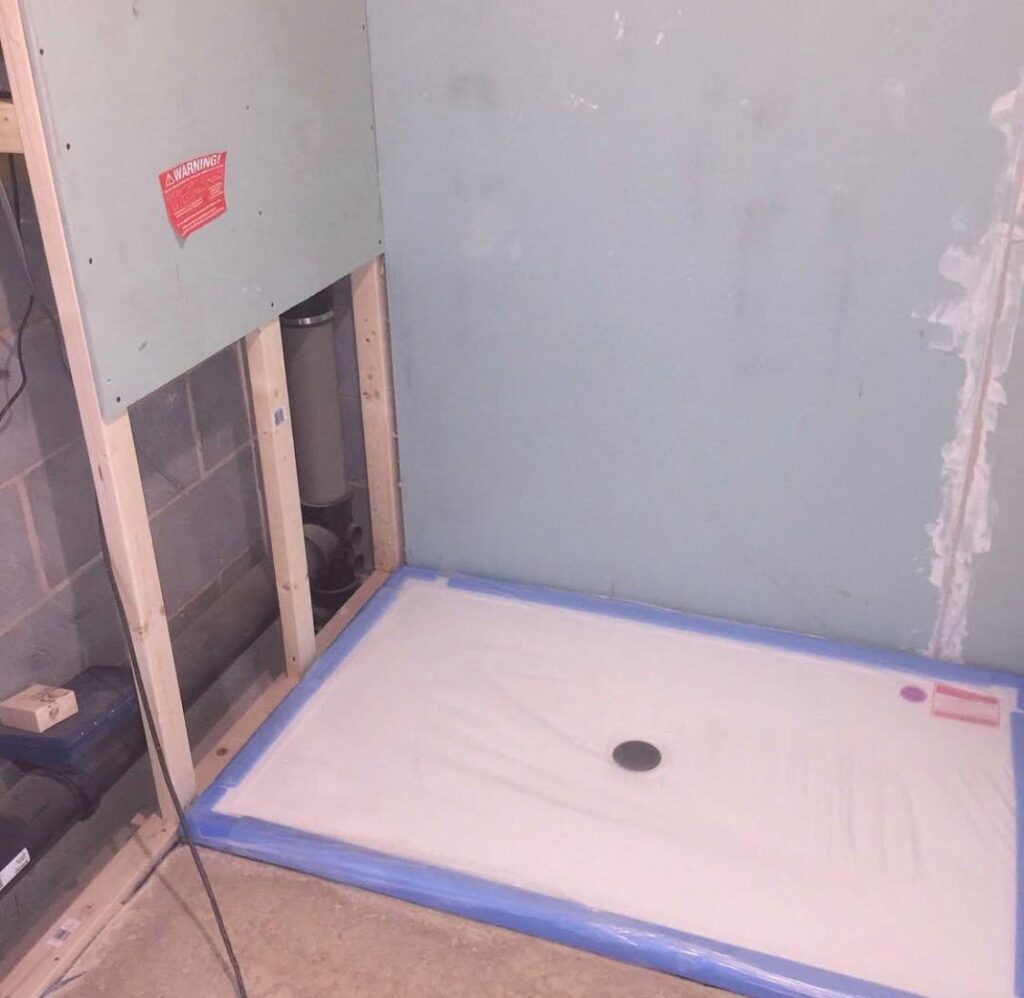
8. Drainage
If adding a bathroom or kitchen area, proper drainage and connection to existing systems must be installed and approved.
⸻
Building Control & Approval Process:
To ensure compliance, a Building Control Officer will inspect the project at key stages. This can be done via:
* A Full Plans Application (recommended for larger projects)
* A Building Notice (for simpler conversions)
Final approval is issued once all work meets regulations, providing certification that is essential for resale and insurance purposes.
⸻
Why Choose G10 Kitchens & Bathrooms Ltd?
* Fully managed design-to-completion service
* Experienced in structural alterations and internal reconfigurations
* All work carried out to current UK Building Regulations
* High-quality finishes tailored to your home
* Transparent pricing and reliable timelines